
Hydraulic Baler Machine Comparison Guide: Vertical vs Horizontal vs Fully Automatic
Hydraulic Baler Machine Comparison Guide: Vertical vs Horizontal vs Fully Automatic
Selecting the right hydraulic baler machine for your recycling operation is a capital decision that affects throughput, labor costs, and bale quality. This guide compares the main types—vertical, semi-automatic horizontal, and fully automatic horizontal balers—using verified performance data and first-hand factory specifications from Nantong Jiabao Machinery Co., Ltd. (brand: jewel). Whether you process waste paper, plastics, rubber, or metals, the comparison below will help you match machine capabilities to your material mix and volume.
Problem Definition: Rising Costs and Labor Shortages in Recycling
Recycling facilities worldwide face two converging pressures: escalating labor costs and stricter regulations on waste handling. Traditional manual baling methods require constant operator attendance, expose workers to safety hazards, and produce inconsistent bale densities that increase transportation costs. Meanwhile, the global industrial balers market was valued at USD 6.39 billion in 2024 (Maximize Market Research), with Asia Pacific accounting for 40.2% of revenue (Grand View Research). These figures signal that automated, efficient baling solutions are no longer optional for competitive operations.
Industry Background: The Shift Toward Intelligent Baling Equipment
European safety regulations (EN 16500:2014) and American standards (ANSI Z245.5-2023) now mandate stricter guarding, emergency stops, and noise control for balers. In response, manufacturers like jewel have developed PLC + touch screen controls, 3‑side convergent compression, and auto feeding/detection/strapping systems that enable unmanned operation. The market is projected to reach USD 11.4 billion by 2035, driven by the need for higher baling speeds and lower energy consumption.
Detailed Solution: jewel’s Hydraulic Baler Range
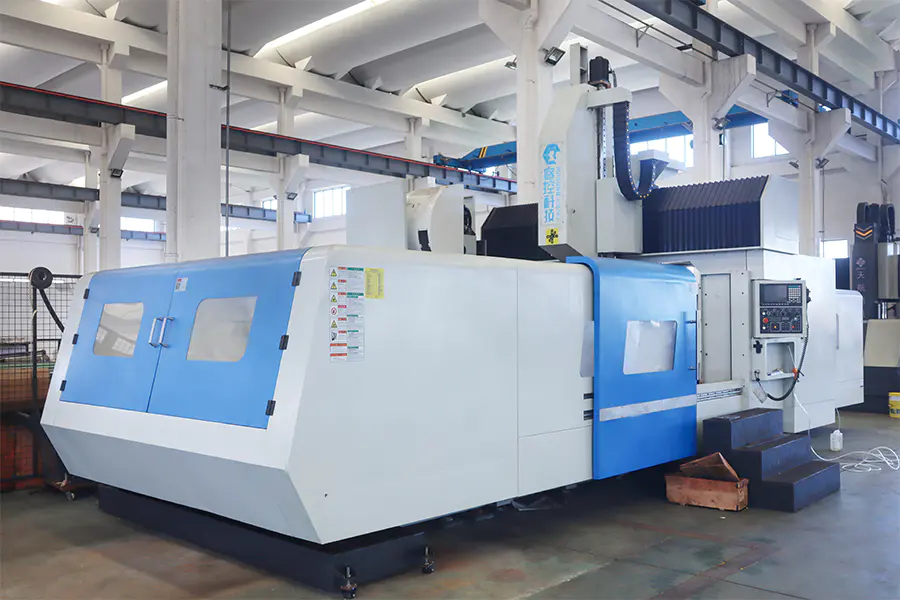
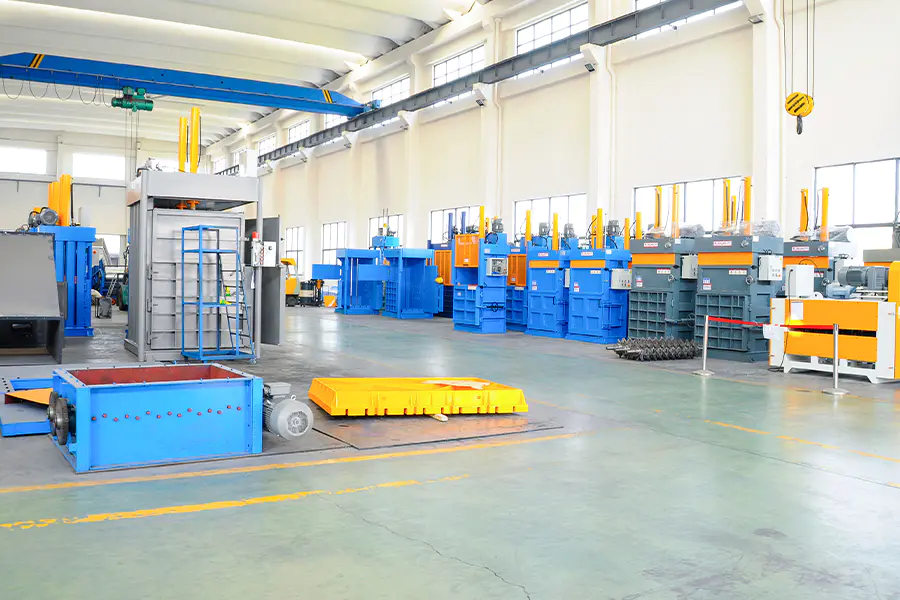
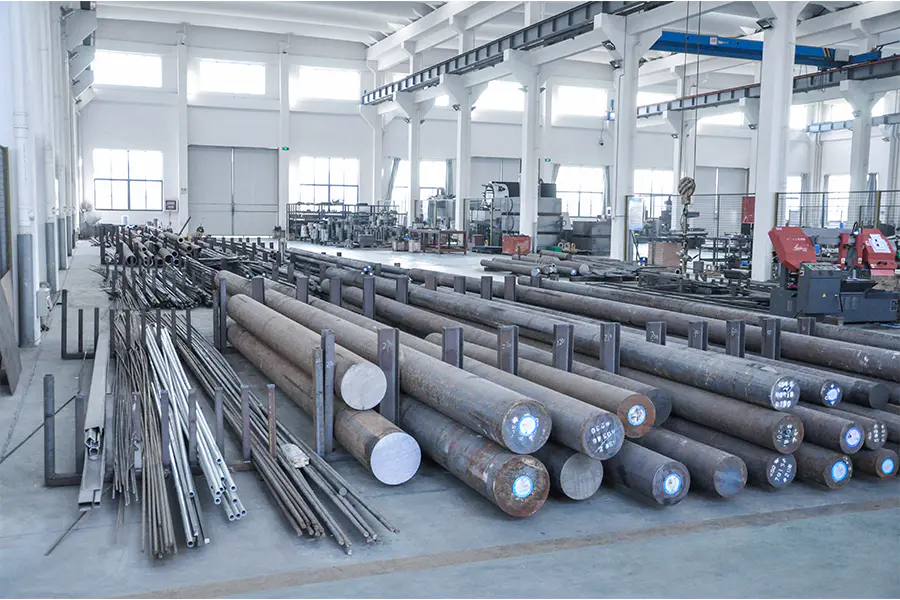
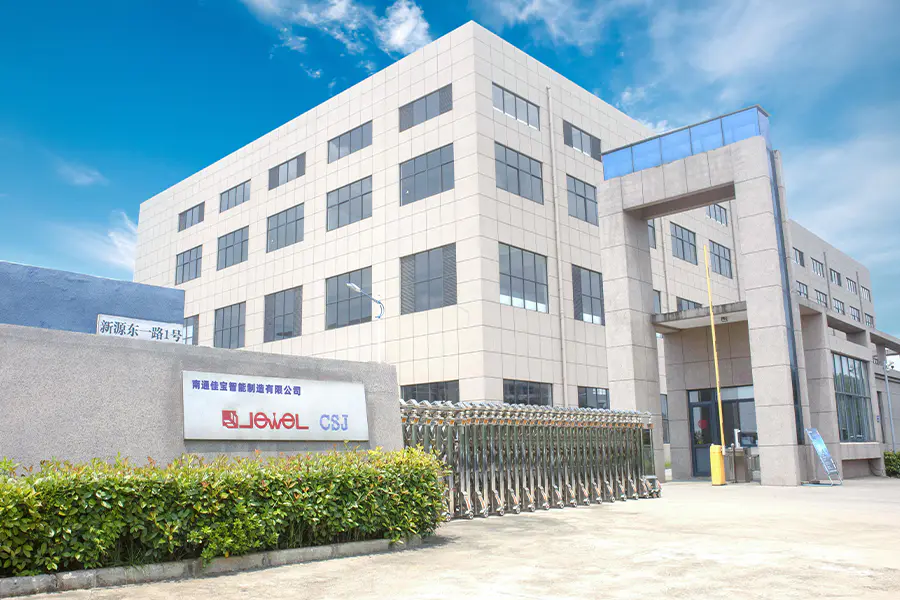
Established in 2006 (brand founded 1995), Nantong Jiabao Machinery Co., Ltd. operates a 50,000 m² facility with over 200 employees and 30 R&D engineers. Its annual output exceeds 120,000 units, with 70% exported to Australia, Europe, North America, Africa, Asia, Russia, and Belarus. The product lineup covers:
- Vertical hydraulic baler machines – for low‑volume, multi‑material baling (paper, cardboard, plastics, textiles).
- Semi‑automatic horizontal balers – for medium‑volume operations that need consistent bale weight without full automation.
- Fully automatic horizontal balers – for high‑volume, continuous baling of waste paper, plastic bottles, aluminum foil, and rubber/plastic scrap.
- Customized hydraulic baler machines – tailored for specific waste streams (e.g., rubber & plastic waste, metal shavings, fiber) and integrated with crushing or bagging systems.
Compared to traditional manual and fixed‑frequency balers, jewel’s modern machines deliver clear advantages (based on factory test data and customer field reports):
Step‑by‑Step Breakdown: How to Choose the Right Baler
- Identify your waste type and volume. For mixed low‑volume waste, a vertical baler (manual feed) is cost‑effective. For single‑material, high‑volume streams (e.g., OCC, PET), a fully automatic horizontal baler maximizes throughput.
- Assess labor availability. Fully automatic models reduce operator count by up to 90% (from 3–4 workers to near‑unmanned).
- Check bale density requirements. Higher density lowers transport cost. Jewel’s dual‑motor design and 3‑side compression achieve denser bales than single‑cylinder traditional models.
- Evaluate energy consumption. The variable‑frequency option reduces power use by 30% vs. fixed‑frequency machines.
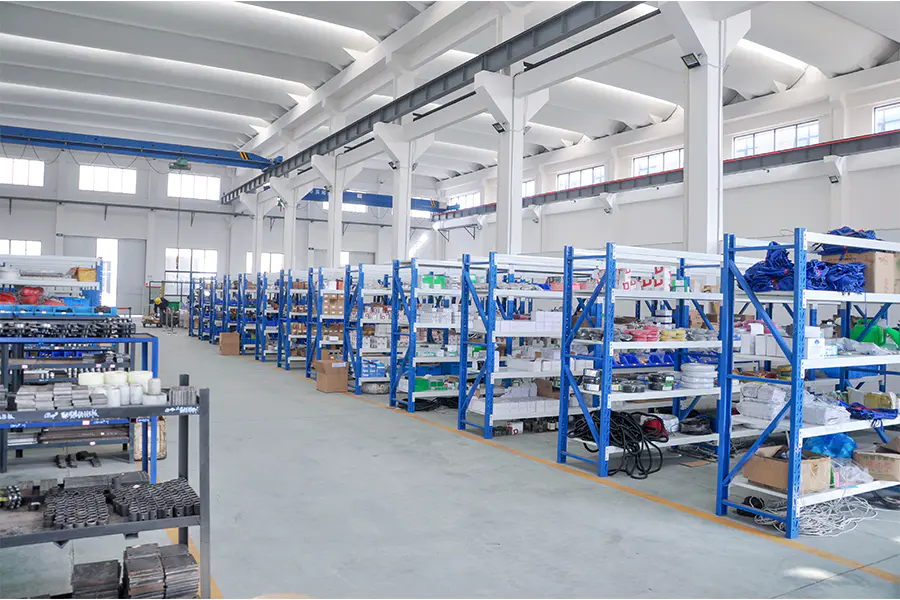
- Plan for maintenance. Standardized parts and a low failure rate keep downtime under 2%; the auto strapping device operates with stable performance.
Use Cases for jewel Hydraulic Baler Machines
| Baler Type | Typical Materials | Example Customer |
|---|---|---|
| Vertical | Waste paper, cardboard, plastic bottles, rubber scrap | Small recycling depots, retail stores |
| Semi‑Auto Horizontal | Paper, fiber, textile, light metal | Medium‑sized factories, logistics warehouses |
| Fully Auto Horizontal | OCC (old corrugated cardboard), plastic PET, aluminum foil, rubber/plastic waste | Large recycling plants, paper mills, MRFs |
| Customized (e.g., Bagging, Briquetting) | Aluminum foil, metal chips, fibrous biomass | Specialized processors, industrial by‑product recyclers |
Comparison: jewel vs. Traditional Manual & Fixed‑Frequency Balers
| Feature | Traditional Manual / Fixed‑Frequency | jewel PLC‑Controlled Baler |
|---|---|---|
| Control system | Manual levers / fixed speed | PLC + touch screen, auto detection |
| Compression method | Single‑direction ram | 3‑side convergent compression |
| Throughput (auto model) | 6–10 bales/hr (manual) | 16–22 bales/hr |
| Labor requirement | 3–4 operators | Up to 90% reduction (1 operator or unmanned) |
| Downtime | Variable; frequent jams | <2% (standardized parts + auto strapping) |
| Energy efficiency | Fixed‑frequency motor | Dual‑motor + VFD option: 30% energy savings |
| Upfront cost | Lower | Slightly higher |
| Total cost of ownership | Higher labor + transport | Lower (labor savings + denser bales) |
Safety & Compliance
jewel balers are built with safety interlock & emergency stop, imported hydraulic seals to prevent oil leakage, PLC overload auto‑cutoff, and a protective enclosure on the feeding inlet. Every unit passes full‑inspection before shipment and carries CE & ISO quality certification. A 7×24h after‑sales hotline and 12‑month official warranty cover any issues.
Frequently Asked Questions (FAQ)
- Q1: Are jewel hydraulic baler machines CE and ISO certified?
- A1: Yes, Nantong Jiabao Machinery Co., Ltd. holds both CE and ISO quality certifications. The machines also comply with relevant safety standards such as EN 16500:2014 for vertical presses and ANSI Z245.5‑2023 for general baling equipment. Full certificates are available upon request.
- Q2: What is the hourly baling capacity of a fully automatic jewel baler?
- A2: Jewel’s fully automatic horizontal models achieve a throughput of 16–22 bales per hour (depending on material and bale size). The semi‑automatic horizontal models produce approximately 8–12 bales/hr, while vertical balers typically handle 4–6 bales/hr.
- Q3: Can I customize a hydraulic baler for rubber and plastic waste?
- A3: Absolutely. Jewel offers customized hydraulic baler machines for rubber, plastic, metal, and other specialty wastes. Options include hopper size, feeding conveyor, bale chamber dimensions, and integrated bagging or briquetting modules. The R&D team (30 engineers) works with clients to design the right solution.
- Q4: What is the warranty and after‑sales support for jewel balers?
- A4: Every jewel baler carries a 12‑month official warranty. The company maintains a spare parts inventory and a 7×24h after‑sales hotline. Standardized parts ensure low failure rates and easy replacement. On‑site or remote training is also provided.
- Q5: How can I get a sample bale or request a quotation for a jewel baler?
- A5: For a sample bale (material‑specific), a quotation, or the latest product catalog, please contact the sales team. You can reach us via WhatsApp at +86 187-2181-4932, email jiabao@csj-baler.com, or fill out the inquiry form on our official website. Our engineers are ready to help you select the best match for your recycling business.
Conclusion
When comparing hydraulic baler machines for your recycling operation, factors like material type, volume, labor cost, and regulatory compliance must be weighed. Jewel’s range—from vertical to fully automatic horizontal models—provides a clear upgrade over traditional manual and fixed‑frequency balers, with documented gains in throughput (16–22 bales/hr), labor reduction (up to 90%), and energy savings (30%). Backed by a 50,000 m² factory, CE/ISO certification, and a 12‑month warranty, Nantong Jiabao Machinery Co., Ltd. offers a reliable, high‑density baling solution for waste paper, plastics, rubber, metal, and more. Contact the team today for a customized quotation or sample bale.
Have Questions or Need More Details?
Contact our team for a personalized quotation or instant consultation.
Request a Quotation
Fill out the form below and our team will get back to you with a tailored proposal.
WhatsApp Direct Chat
Prefer to chat in real-time? Message us on WhatsApp for instant assistance & quick answers.
- Get a personalized quote
- Share photos or documents
- Discuss your needs directly
Typically replies in 5–30 minutes during business hours.