
Hydraulic Baler Machines: Scenarios That Should Shape Your Specification
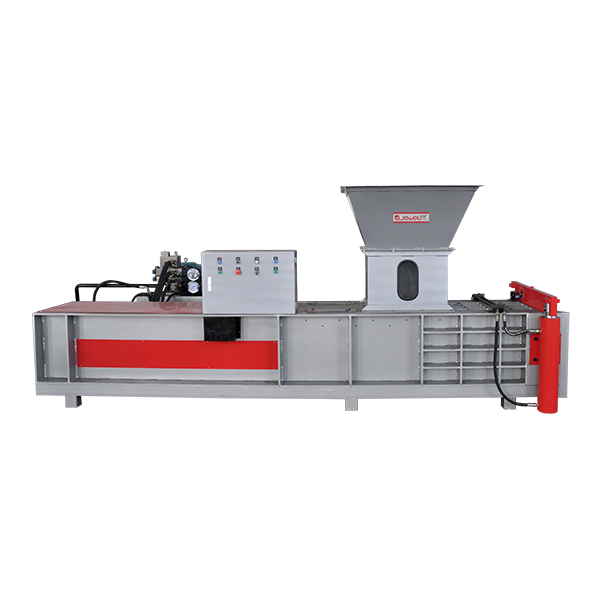
Choosing the right hydraulic baler machine is not about picking the most powerful model; it is about matching the machine to your project’s real conditions. Waste type, material size, daily volume, available floor space, automation level, and integration needs all determine which baler will perform reliably. This article uses documented project scenarios to show how those conditions translate into concrete equipment decisions.
Why Project Conditions Matter More Than Machine Labels
If you select a baler purely by compression force or price, you may end up with a machine whose feeding mouth is too small for large cardboard pieces, whose bale density is too low for economical transport, or whose automation level does not match your staffing plan. In recycling operations, a baler must be project-fit: the equipment has to handle the specific material form, integrate with existing conveyors, and operate reliably in the actual workshop environment.
Hydraulic baler machines are not one-size-fits-all. The same brand can offer vertical hydraulic baler machines, semi-automatic horizontal hydraulic baler machines, fully automatic horizontal hydraulic baler machines, bagging hydraulic baler machines, briquetting hydraulic baler machines, metal hydraulic baler machines, and aluminum foil hydraulic baler machines. Each type is engineered around a different material shape, bale target, and operational demand.
The Global Context for Project-Specific Baling
The demand for balers is expanding. According to Grand View Research, the global baler machine market size was valued at USD 6.6 billion in 2024 and is projected to reach USD 11.4 billion by 2035. The same source reports that Asia Pacific accounted for approximately 40.2% of the total revenue share in 2024. As recycling volumes grow, buyers have more machine options than ever, which means the selection process must be driven by project evidence rather than generic descriptions.
A Project-Fit Framework for Hydraulic Baler Machines
A practical way to match a baler to a project is to evaluate four dimensions: waste stream type, automation and integration, space and working environment, and final bale specification.
1. Waste Stream Type and Material Form
Different waste forms need different compression approaches. For example, the JPW40F is a semi-automatic horizontal hydraulic baler with 40 tons of compression force, producing 200–400 kg bales at 1–2 tons per hour. The JPW20Q is a fully automatic horizontal hydraulic baler with 20 tons of force, producing 30–70 kg bales. A bagging hydraulic baler machine such as the JPW-K6046 has only 10 tons of force and is suited to lighter, lower-volume waste. A briquetting hydraulic baler machine like the JPW-AK60 is used for paper dust and other fine materials, producing 5–10 kg briquettes.
2. Automation and Integration Level
Many documented projects link balers to a conveying system, which points to the need for automatic or semi-automatic feeding. In Russia, a full-automatic unmanned waste baling system was applied in packaging and carton manufacturing, where automatic collection, compression, and baling were required. The related product in that project file is the JPW-K6046 bagging machine. In contrast, a vertical hydraulic baler such as the JP-OT100 is often selected when a plant needs high-density bales but does not need continuous inline operation.
3. Space and Working Environment
Waste discharge workshops, corrugator workshop environments, and high-dust environments all affect machine selection. A PET bottle recycling project in Japan was carried out in a high-dust environment and specifically required higher compression density plus compact, aesthetically pleasing bales. A carton factory in Italy needed to replace aging balers and add preprocessing to handle large-sized waste cardboard, meaning the feeding mouth size and upstream preparation were more critical than speed.
4. Output and Bale Specification
Bale weight, dimension, and density determine transport costs and recycler acceptance. The product data gives concrete ranges: the JP7050T8 produces 50–80 kg bales; the JPA5076T25X produces 200–300 kg bales; the JP-OT100 produces 400–600 kg bales. For a mixed-waste project in Belarus dealing with PET bottles, woven bags, HDPE bottles, and cardboard, the challenge was compressing these bulky materials reliably. The related product list for that scenario includes 12 models, indicating that a single project may call for a line of different hydraulic baler machines rather than one unit.
Step-by-Step: How to Match a Hydraulic Baler Machine to Your Project
- Characterise your waste stream. Identify material type, size, moisture, and whether the waste contains mixed items. This determines the required feeding mouth size and compression force.
- Define your bale target. Set the desired bale weight, dimension, and density. This will narrow the machine category to vertical, semi-automatic horizontal, fully automatic horizontal, briquetting, bagging, metal, or aluminum foil balers.
- Map the installation environment. Measure available floor space, ceiling height, dust levels, and distance to existing conveyor lines. A high-dust environment or a corrugator workshop may require special sealing or layout adjustments.
- Choose the automation level. Decide whether you need manual feeding, semi-automatic operation, or a full-automatic unmanned system. If the project requires real-time waste processing with conveyor integration, a fully automatic or highly automated line is necessary.
- Compare available models and request a documented configuration. Use the model specifications to validate that the machine meets your bale weight, capacity, and power requirements. Ask the manufacturer for project references that match your scenario.
Documented Use Cases: Seven Projects That Show How Scenarios Drive Selection
Cardboard Box Factory – Tunisia
A cardboard box factory used a hydraulic baler machine to clear piled waste paper. The project ran for three years and eliminated waste paper accumulation in the workshop, creating a clean and efficient production environment.
Cardboard Box Factory – Mexico
In Mexico, a cardboard box factory deployed an automated waste system for one year. The result completely solved the problem of waste accumulation and improved workshop space utilisation and overall image.
PET Recycling Enterprises – Japan
Japanese PET recycling enterprises installed a high-density compression solution. After two years, they achieved compact and aesthetically pleasing finished bales, greatly enhancing storage and transportation efficiency and adding value to recycled products.
Cardboard Box Factory – Italy
An Italian cardboard box factory replaced aging balers and introduced preprocessing equipment. After four years, waste treatment efficiency was greatly improved, solving the difficult handling of large-sized waste cardboard.
Waste Recycling Operation – Belarus
A waste recycling operation in Belarus used a multi-material automatic baling project. Over two years, it solved the bulkiness and compression difficulty of PET bottles, woven bags, HDPE bottles, and cardboard. The regular-shaped finished bales greatly enhanced transportation and storage efficiency.
Cardboard Box Factory – Russia
In Russia, a cardboard box factory built a full-automatic unmanned waste processing system with a reasonable investment. The three-year project reduced labour and management costs while realising a clean production environment and immediate monetisation of waste.
Waste Recycling Operation – Australia
An Australian waste recycler processing mixed plastics, small amounts of glass, and metal scraps achieved full-line unmanned operation in two years. This drastically reduced labour costs and operational risks while improving overall system reliability.
Comparison Table: Project Scenario vs. Related Equipment
| Project File | Working Environment | Core Requirement | Equipment Listed in Related Products |
|---|---|---|---|
| Cardboard plant, TN | Waste discharge workshop | Factory-wide automatic waste discharge | JPW20Q |
| Carton plant, MX | Waste removal workshop | Real-time processing integrated with existing lines | JP-OT100 |
| PET recycling, JP | High-dust workshop | High-density, compact bales | 11 models, including JPW20Q, JPA5076T25X, JP8060T5X |
| Carton factory, IT | Corrugator workshop | Handle large waste cardboard; replace aging balers | 12 models, including JPW20Q, JPW40F, JP-OT100 |
| Mixed-waste recycling, BY | High-dust workshop | Compress PET, woven bags, HDPE, cardboard | 12 models, including JPW20Q, JPW-K6046 |
| Packaging plant, RU | Corrugator workshop | Full-automatic unmanned baling | JPW-K6046 |
| Solid-waste recycling, AU | Corrugator workshop | Multi-material compression stability | JPW-AK100 |
These relationships come directly from project records. They show that equipment selection is linked to the specific working condition and special requirement of each site.
How to Apply These Signals to Your Own Purchase
Start with the scenario that resembles your operation. If you have a corrugator workshop and need to replace aging balers, look at semi-automatic or fully automatic horizontal hydraulic baler machines with large feeding mouths. If you process PET bottles in a high-dust environment, focus on models with higher compression force and neat bale shapes, such as JPW40BL, JP-OT100, or JPW20Q. If your waste is mixed and bulky, consider a custom multi-machine line that can handle plastics, cardboard, and metal scraps together.
For paper dust or fiber-based waste, a briquetting hydraulic baler machine like the JPW-AK60 is more appropriate than a large horizontal baler. For aluminum foil or similar fiber-based materials, the JPW-AK100 provides 100 tons of compression force and produces 5–15 kg bales. These distinctions affect operating cost, transport cost, and recycler acceptance.
FAQ
What safety standards should hydraulic baler machines meet?
In the European Union, vertical and tyre balers must comply with EN 16500:2014, the safety standard for waste processing equipment. In the United States, the updated standard is ANSI Z245.5-2023. For export to other regions, ask the manufacturer to provide compliance documentation based on your destination country.
How do I know a baler can handle my project’s waste stream?
Compare three specifications: compression force, feeding mouth size, and bale weight range. For instance, the JPW40F semi-automatic horizontal baler provides 40 tons of force, a 1000×720 mm feeding mouth, and produces 200–400 kg bales. The JP-OT100 vertical baler provides 100 tons of force and produces 400–600 kg bales. If your waste includes large cardboard pieces, you need a larger feeding mouth and possibly a pre-shredding step.
What factors affect the price of hydraulic baler machines?
Price depends on automation level, compression force, material type, and customisation. In the manufacturer’s production capability record, custom orders are accepted with a minimum order quantity of 1 unit. To get an accurate budget, send your waste type, daily volume, target bale size, and site layout to the supplier for a quotation.
Can I request a sample or catalogue before placing an order?
Yes. You can download the 2026 product catalogue below. You can also contact the sales team directly for samples, machine demonstrations, or a detailed quotation. Contact details are provided at the end of this article.
How long does a custom hydraulic baler machine take to deliver?
Based on the current production capability record, the monthly capacity is 100 units and the lead time for a custom machine is 60 days. Each machine undergoes 100% testing before shipment. After delivery, the supplier provides 7×24-hour technical response, on-site support within 48 hours, and lifelong maintenance.
Conclusion
Hydraulic baler machines should be selected through a project-driven process. Waste type, material size, working environment, automation needs, and bale specification are the real decision drivers. The documented scenarios in this article show that a cardboard plant, a PET recycling line, and a mixed-waste operation each require a different equipment configuration. By applying the same logic to your own project, you can avoid costly mismatches and build a baling line that runs efficiently from day one.
Ready to match a hydraulic baler machine to your project?
Download the 2026 hydraulic baler catalogue or contact our sales manager Nina at jiabao@csj-baler.com / WhatsApp: +86 187-2181-4932.
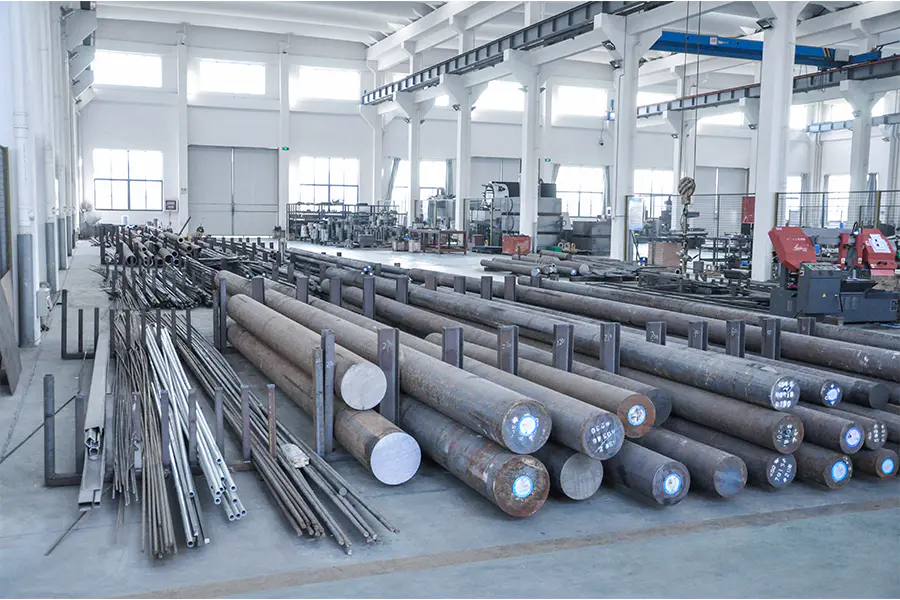
Nantong Jiabao Machinery Co., Ltd. (Jewel) – 2006 | 50,000 m² facility | www.jewelbaler.com
Have Questions or Need More Details?
Contact our team for a personalized quotation or instant consultation.
Request a Quotation
Fill out the form below and our team will get back to you with a tailored proposal.
WhatsApp Direct Chat
Prefer to chat in real-time? Message us on WhatsApp for instant assistance & quick answers.
- Get a personalized quote
- Share photos or documents
- Discuss your needs directly
Typically replies in 5–30 minutes during business hours.