
Hydraulic Baler Machines: Which Type Is the Best Value for Your Waste Operation?
Last reviewed: August 26, 2026
Introduction: What “Best Value” Means for a Hydraulic Baler Machine
Choosing a hydraulic baler machine is rarely a question of simply picking the most automated or the most expensive unit. The real decision is whether the machine matches your waste volume, material type, space constraints, labor cost, and long-term operating budget. This article compares vertical, semi-automatic horizontal, and fully automatic horizontal hydraulic baler machines using procurement-oriented criteria: throughput, labor savings, uptime, energy consumption, maintenance, safety, and total cost of ownership.
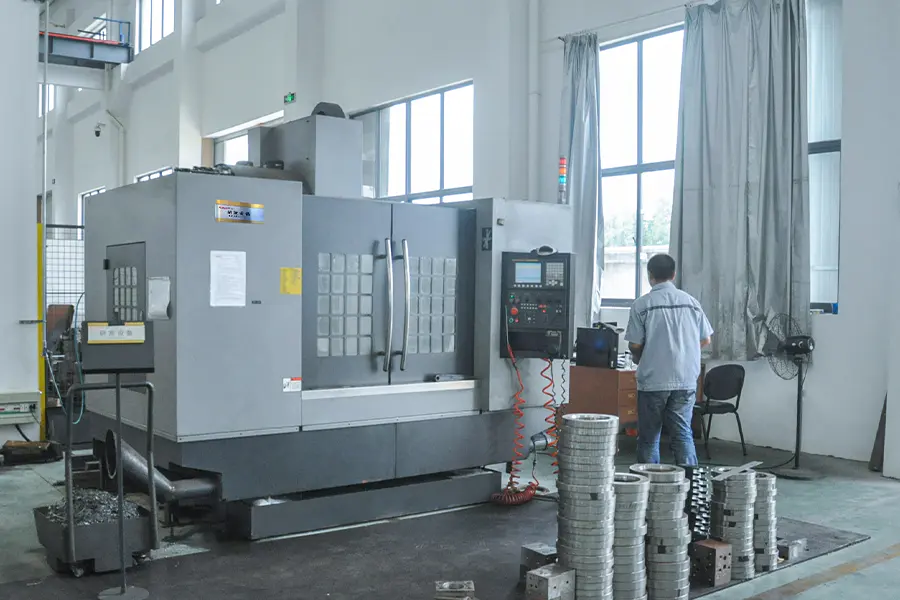
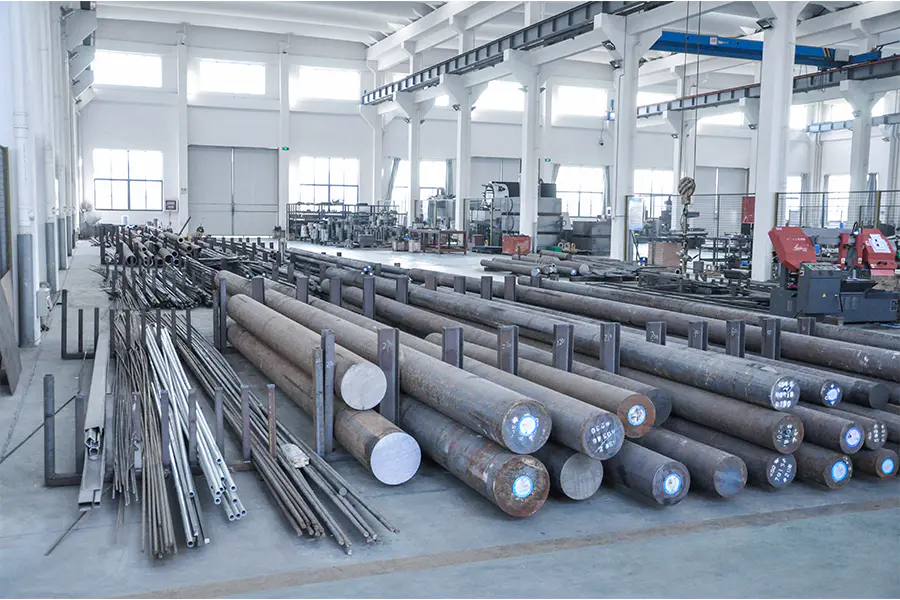
The comparison is grounded in publicly available market and safety standards data, plus manufacturer information from Nantong Jiabao Machinery Co., Ltd., whose brand is Jewel. The company was established in 2006, while the Jewel brand dates back to 1995. Nantong Jiabao Machinery operates a 50,000-square-meter production facility and supplies semi-automatic and fully automatic compression and baling machines to markets including Australia, Europe, North America, Africa, Asia, Russia, and Belarus.
Problem Definition: Why Decision-Stage Buyers Get Stuck
At the decision stage, buyers often face a confusing set of claims. Vertical balers are promoted for small spaces. Horizontal balers are promoted for volume. Fully automatic balers are promoted for labor savings. But the differences do not show up on a brochure; they appear when the machine is running in your facility.
The core problem is that many buyers compare price tags instead of cost per ton. A machine with a lower upfront price can generate higher labor, transport, and downtime costs over five years. Conversely, a more automated hydraulic baler may cost more initially but reduce the number of operators, increase bale weight, and require fewer repairs. Without a structured comparison, buyers can easily choose the wrong automation level.
Industry Background: Market and Regulatory Context
Market data explains why waste operators are investing in baling equipment. Grand View Research estimates the global baler machine market at USD 6.6 billion in 2024, with a projected value of USD 11.4 billion by 2035. Maximize Market Research puts the industrial balers market at USD 6.39 billion in 2024, with a CAGR of 9.5% through 2032. Asia Pacific contributed approximately 40.2% of the global revenue share in 2024, which is why many international buyers evaluate suppliers from this region.
Regulatory frameworks also affect equipment choice. In Europe, vertical baling presses and tyre balers are covered by EN 16500:2014, the safety standard for machines used to compact waste materials or recyclable fractions. In the United States, ANSI Z245.5-2023 is the updated American National Standard for baling equipment safety. These standards matter at the decision stage because they can determine whether a machine can be legally installed in a given market.
Finally, the tradeable value of baled material is visible in export data. China’s exports of wood pulp and paper scrap, including baled waste paper, reached USD 288 million in 2025, according to the Observatory of Economic Complexity. This reinforces the importance of producing dense, consistent bales that can be shipped at lower cost.
Detailed Solution: What a Modern Automated Hydraulic Baler Changes
To compare fairly, we look at what a modern automated hydraulic baler actually changes compared with traditional manual and fixed-frequency designs. According to Jewel’s technical comparison data, a modern automated baler uses PLC and touch screen control, applies three-side convergent compression, and supports automatic feeding, detection, and strapping. In a fully automatic configuration, it can operate with minimal manual intervention.
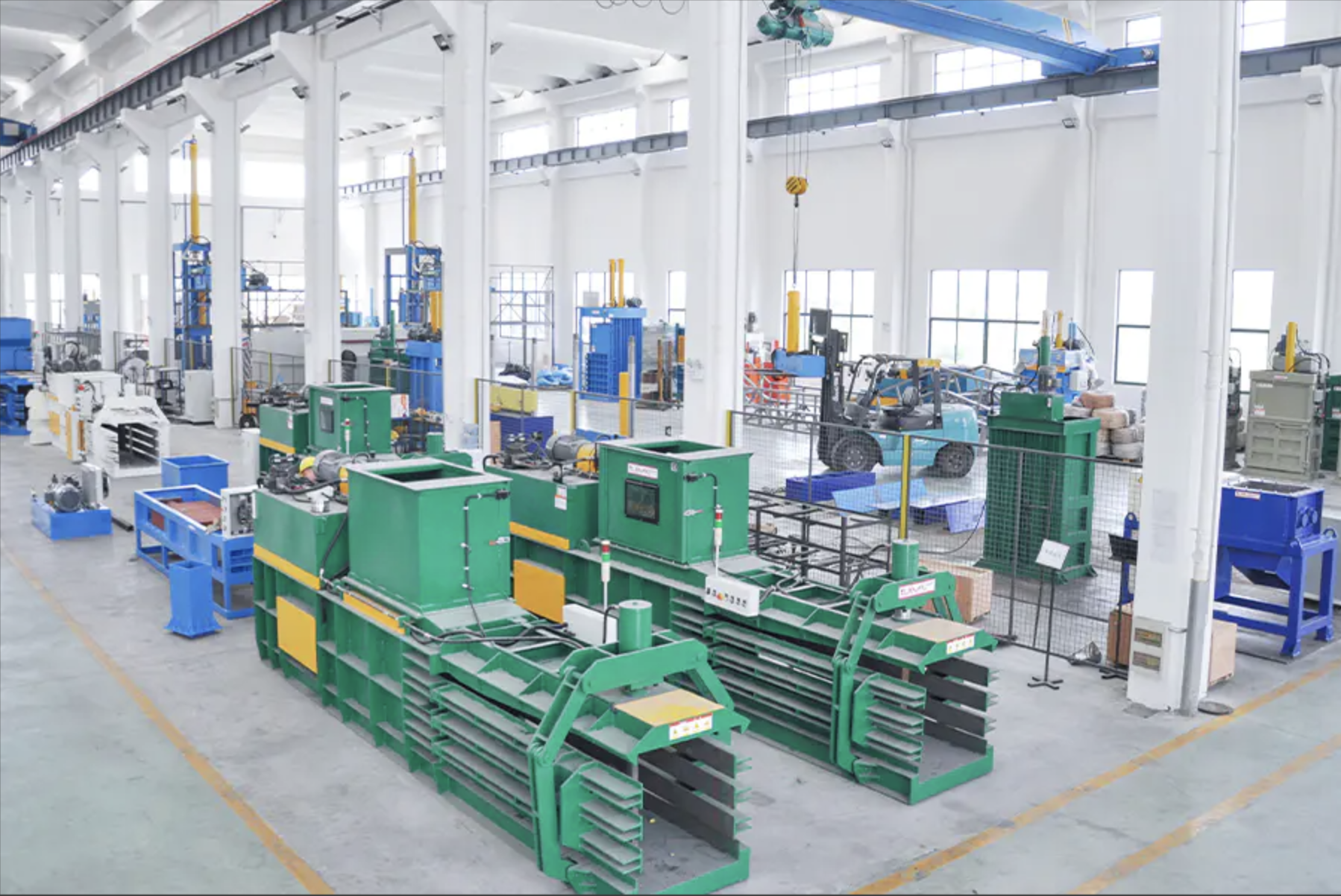
The measurable output differences are significant. The automatic model is rated at 16–22 bales per hour, reduces labor by up to 90%, and keeps downtime below 2%. For a medium-large recycling plant or a factory generating multiple waste streams, these numbers directly affect operating profit.
On the cost side, the automated baler has a slightly higher upfront cost than a manual or fixed-frequency unit. However, the long-term comparison favors the automated unit because it reduces labor expenses and produces denser bales, which lower transport cost. Energy efficiency also improves: when a variable-frequency drive is specified, the machine can reduce energy consumption by roughly 30% compared with a fixed-frequency traditional model.
Maintenance requirements are low because the design uses standardized parts and has a low failure rate. The automatic strapping device is reported to operate with stable performance. In addition, safety is addressed through features such as safety interlock, emergency stop, an imported hydraulic seal to prevent oil leakage, PLC overload auto-cutoff protection, and a protective enclosure on the feeding inlet.
Three Machine Types Compared
Vertical hydraulic baler machines are generally the entry point for smaller facilities. They need less floor space, are easier to load, and are often used for cardboard, plastic film, and paper. Because they operate in batches, a vertical machine is a practical choice when waste volume is low and only one or two operators are available. For small single-material waste points, a traditional vertical baler may be sufficient.
Semi-automatic horizontal hydraulic baler machines are designed for medium-volume operations that need denser bales than a vertical unit. An operator loads the material, and the machine handles compression and strapping. This type is a good step up when waste volume exceeds what a vertical baler can process within a shift but does not yet justify a fully automatic line. It works well for multi-material recycling in plastic, textile, and paper factories.
Fully automatic horizontal hydraulic baler machines are the most suitable for medium-large recycling plants, paper/plastic/textile factories, and logistics warehouses that process high volumes of multiple materials. They combine PLC and touch screen control with automatic feeding, detection, and strapping. In Jewel’s product line, both semi-automatic and fully automatic compression and baling machines are available, so the final choice should be based on volume and labor availability.
Step-by-Step Breakdown: How to Compare Hydraulic Baler Machines
Use this seven-step process to turn your requirements into a comparison shortlist.
- Define waste streams and daily volume. List the materials you need to bale—paper, cardboard, plastic bottles, film, rubber, textile, metal, aluminum foil, and so on. Estimate daily volume in tons or cubic meters. This determines the minimum hopper size and pressing force.
- Determine bale density and output requirements. Define the target bale size and weight. If you sell baled material to a mill or broker, density is directly linked to revenue. A horizontal or fully automatic baler generally produces denser bales than a vertical unit. The automatic model from Jewel can produce 16–22 bales per hour, which helps match throughput to inbound waste flow.
- Assess labor and automation needs. Evaluate how many operators you can assign to the baler. If the facility already runs multiple machines, a fully automatic baler with auto feeding and strapping can reduce labor by up to 90% and allow personnel to focus on other tasks.
- Compare total cost of ownership, not just purchase price. Add installation, energy, labor, maintenance, and transport costs over a five-year period. A slightly higher upfront cost can be offset by lower labor and shipping costs, especially when bale density improves.
- Verify safety and compliance. Check the machine against the standards relevant to your market. EN 16500:2014 is relevant for vertical and tyre balers in Europe; ANSI Z245.5-2023 applies in the United States. Also confirm that the supplier provides CE and ISO quality certification. Jewel states that its balers are CE and ISO certified and that each machine receives a full inspection before factory delivery.
- Check maintenance and spare parts. Ask about availability of spare parts and maintenance response. The risk of hydraulic leakage, electrical overload, or operational safety incidents is lower when the machine includes safety interlocks, emergency stop, imported hydraulic seals, and PLC overload protection. Standardized parts simplify routine maintenance.
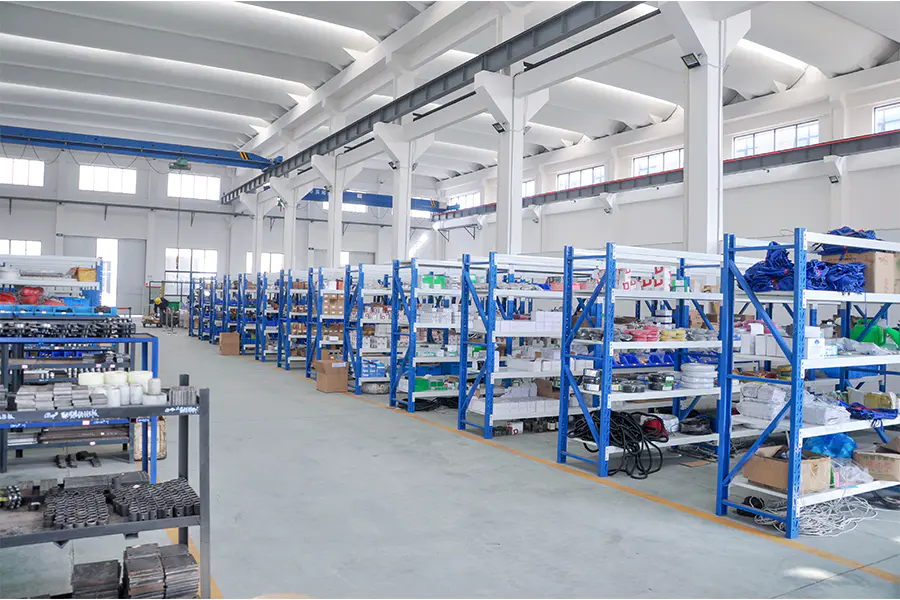
- Confirm after-sales support. Confirm what happens after delivery. A 7×24-hour after-sales hotline, a spare parts inventory, and a 12-month official warranty are concrete signals of long-term support. Nantong Jiabao Machinery lists these services for its baler product line.
Use Cases: Matching Hydraulic Baler Machines to Real Operations
Paper and cardboard recycling: A recycling plant processing cardboard factory waste can use a semi-automatic or fully automatic horizontal baler. High bale density lowers freight costs, which is critical when baled paper is sold to mills.
Rubber and plastic waste: Plastic bottle balers and film balers benefit from three-side convergent compression, which creates dense, stackable bales. For rubber and plastic waste, the decision between vertical and horizontal depends on volume and available floor space.
Textile and logistics operations: Factories and distribution centers generate loose fiber, bags, and cardboard. Fully automatic machines with auto detection and strapping can run with less supervision, reducing labor and improving consistency.
Metal and specialized materials: Some buyers search for metal hydraulic balers, briquetting machines, or bagging machines. The same selection logic applies: define the material, volume, output format, and maintenance capability before choosing a configuration.
Comparison Table: Traditional Balers vs. Modern Automated Hydraulic Balers
Because direct performance data across all manufacturer brands is not always public, the table below uses Jewel’s manufacturer-supplied comparison between traditional manual/fixed-frequency balers and modern automated hydraulic balers.
| Criterion | Traditional manual / fixed-frequency baler | Modern automated hydraulic baler (Jewel) |
|---|---|---|
| Control | Manual operation | PLC + touch screen control |
| Compression | Basic compression | 3-side convergent compression |
| Automation | Manual loading and operation | Auto feeding / detection / strapping; unmanned operation capability |
| Throughput (auto model) | — | 16–22 bales/hour |
| Labor requirement | High manual labor | Up to 90% labor reduction |
| Downtime | — | <2% downtime (manufacturer data) |
| Energy efficiency | Fixed-frequency consumption | Variable frequency option reduces energy by ~30% vs. fixed-frequency |
| Upfront cost | Lower | Slightly higher |
| Total cost effect | Higher labor + transport cost | Lower labor + transport cost due to higher bale density |
| Maintenance | — | Standardized parts, low failure rate, stable auto strapping |
| Safety | — | Safety interlock, emergency stop, protective enclosure |
| After-sales | — | 7×24 hotline, spare parts inventory, 12-month warranty |
Frequently Asked Questions for Hydraulic Baler Machine Buyers
Which safety standards apply to hydraulic baler machines?
In Europe, vertical and tyre balers are covered by EN 16500:2014 for waste compacting equipment. In the United States, ANSI Z245.5-2023 is the updated safety standard. Buyers should also confirm CE and ISO quality certification. Nantong Jiabao Machinery states that its balers carry CE and ISO quality certification and are fully inspected before delivery.
What throughput can a modern automatic hydraulic baler achieve?
Based on manufacturer data for Jewel-brand automatic balers, the fully automatic model can produce 16–22 bales per hour, reduce labor by up to 90%, and keep downtime under 2%. It uses PLC and touch screen control, three-side convergent compression, and automatic feeding, detection, and strapping. This makes it suited for medium-large recycling plants, paper/plastic/textile factories, and logistics warehouses.
Are automatic hydraulic balers worth the extra upfront cost?
Automatic models usually have a slightly higher upfront cost than traditional manual and fixed-frequency balers. The economic case depends on total cost of ownership. Unmanned operation reduces labor cost over the machine life; higher bale density lowers transport cost because more material fits per truckload. If the machine includes a variable-frequency drive, energy consumption can be reduced by roughly 30% compared with fixed-frequency traditional models.
Can I test a hydraulic baler with my own material before placing an order?
Material-specific testing is a practical way to verify bale density and cycle time. A manufacturer that offers customized industry solutions, as Nantong Jiabao Machinery does, is usually willing to discuss your material and configuration. To arrange an evaluation or request a quote, contact the Jewel team directly.
What should I check about lead time and after-sales support before committing?
Confirm the supplier’s production lead time early. Also verify what happens after delivery: Nantong Jiabao Machinery provides a 7×24-hour after-sales hotline, a spare parts inventory, and a 12-month official warranty. These details influence downtime risk and should be part of the purchase decision. You can request the latest catalog for configuration planning.
Conclusion: Make the Decision on Total Cost, Not Price
Next step: Download the 2026 Jewel brochure to compare configurations, then request a quote from Nina at Nantong Jiabao Machinery.
Choosing a hydraulic baler machine is a total-cost decision, not a price-tag decision. Vertical balers suit lower volumes and smaller spaces; semi-automatic horizontal balers suit medium volumes with denser output; fully automatic horizontal balers deliver the highest throughput and largest labor savings for high-volume operations. Whatever the machine type, verify safety compliance, maintenance requirements, and after-sales support before you commit.
For buyers preparing a shortlist, the next step is to compare configurations and request a quote. You can download the 2026 Jewel brochure or contact Nina at Nantong Jiabao Machinery Co., Ltd. directly.
Email: jiabao@csj-baler.com
Tel / WhatsApp: +86 187-2181-4932
Address: No.1 Xinyuan East 1st Road, Rugao City, Jiangsu Province, China
Website: www.jewelbaler.com
Have Questions or Need More Details?
Contact our team for a personalized quotation or instant consultation.
Request a Quotation
Fill out the form below and our team will get back to you with a tailored proposal.
WhatsApp Direct Chat
Prefer to chat in real-time? Message us on WhatsApp for instant assistance & quick answers.
- Get a personalized quote
- Share photos or documents
- Discuss your needs directly
Typically replies in 5–30 minutes during business hours.