
Hydraulic Baler Machines Head-to-Head: Fixed-Frequency vs. PLC Fully Automatic
Most buying decisions for hydraulic baler machines are framed as a question of type: vertical or horizontal, manual or automatic. The decision that actually moves the numbers is narrower and harder. It is a head-to-head between two configurations applied to the same waste stream — a fixed-frequency, operator-fed baling line and a PLC-controlled fully automatic line.
This article treats that as a genuine trade-off decision rather than a product tour. It weighs both paths against the criteria that decide the outcome over a machine's working life: control architecture, throughput, labour, energy, bale density and freight, safety and compliance, spare-part support and commercial terms.
Short answer. Where a site handles multi-material, high-volume streams — medium-to-large recycling plants, paper and plastic factories, textile operations and logistics warehouses — the PLC fully automatic configuration is the stronger long-run cost structure: 16–22 bales per hour, labour reduced by around 90% against manual operation, and downtime below 2%. Where waste arrives in a single, predictable stream at modest volume, a fixed-frequency, operator-fed machine remains the lower-commitment choice. The purchase price gap is real; the operating gap is wider.
The Head-to-Head Question, Stated Plainly
Both configurations perform the same physical job: compress loose material into a dense bale that can be stacked, wrapped, weighed and moved. What differs is where the cost sits.
A fixed-frequency machine concentrates cost at the point of operation. An operator feeds material, governs the cycle and handles strapping, so throughput rises and falls with attention, shift patterns and turnover. The purchase price is lower, and for a single waste stream collected in modest quantities, that trade is rational.
A PLC-controlled fully automatic machine moves cost to the point of purchase and to the engineering of the machine itself. Feeding, detection and strapping run on sequence logic, compression is applied on three converging sides, and the unit carries unmanned operation capability. The capital line is higher and the operating line is lower, more predictable and less dependent on who is standing next to the machine.
The head-to-head is therefore not "which machine is better." It is "which cost structure matches my material flow, my labour situation and my service expectations over the next five to ten years." Three variables settle most cases:
- Material mix — a single recovered grade behaves very differently from a mixed inbound stream of waste paper, carton, plastic and fibre.
- Daily volume against cycle time — the requirement is not tonnes per month, it is bales per hour during the hours the line is actually running.
- How much operator time the baling station can realistically claim — a station that competes with other duties rarely reaches its rated output.
Industry Background: Why This Choice Carries More Weight in 2026
The category keeps expanding. Commercial market research published in 2026 projects the global baler market — agricultural and industrial combined — at USD 7.96 billion in 2026, up from USD 7.18 billion in 2025, with a forecast of USD 18.02 billion by 2034. Within that, the hydraulic waste paper baler segment is estimated at USD 1.45 billion in its 2024 base year and forecast to reach USD 2.24 billion by 2032, a CAGR of 5.5%. Separately, the hydraulic metal recycling baler market was valued at USD 913 million in 2023 and is forecast to reach USD 1,318 million by 2031.
Those three figures cover different scopes — total baler market, waste paper balers, metal recycling balers — and should not be added together. Their value here is directional: the installed base of hydraulic baling equipment is growing, and the decision about which configuration to buy is being made more often, not less.
The operating pressure behind the decision is straightforward. Labour is a recurring cost that appears every month. Energy is a recurring cost that scales with running hours. Freight is priced on volume and weight, which means bale density is a financial variable, not a technical footnote. Each of those three is sensitive to how a baler is configured, which is why a head-to-head comparison has to look past the quotation.
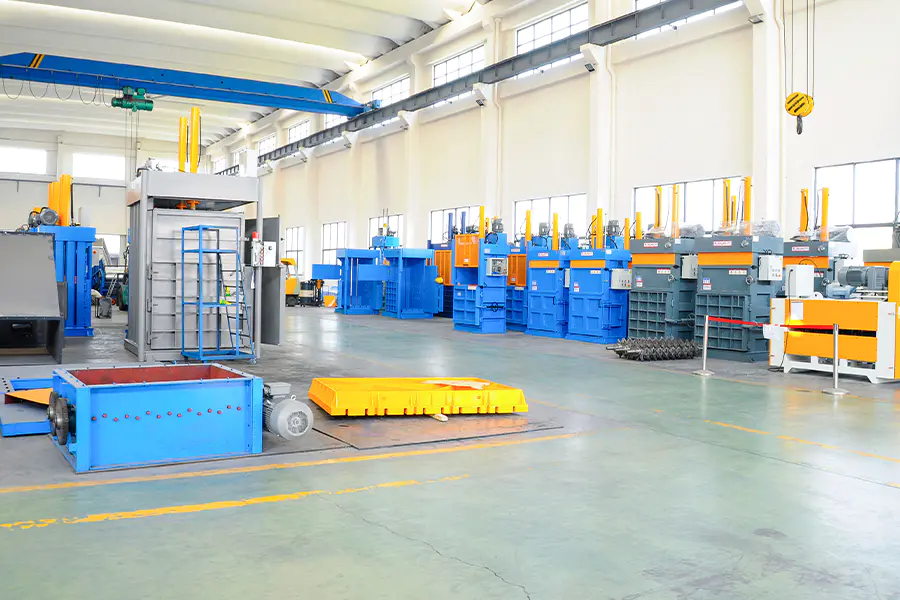
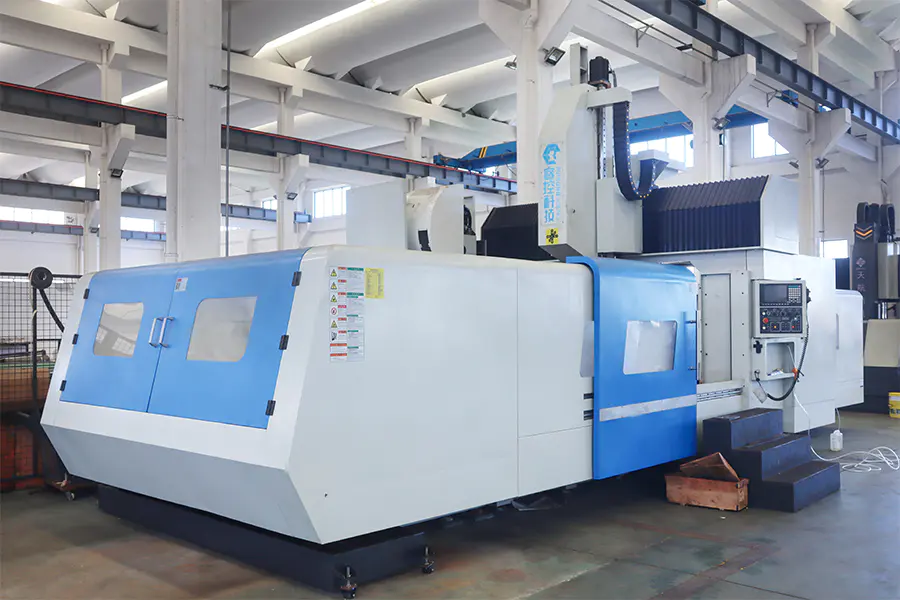
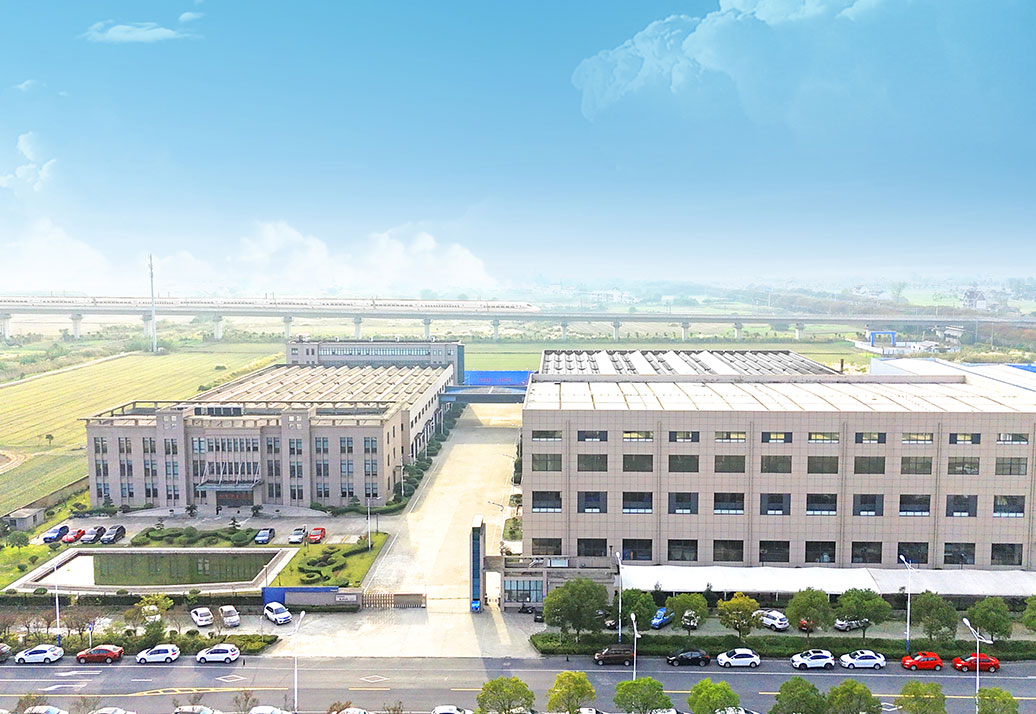
One supplier active in this segment is Nantong Jiabao Machinery Co., Ltd., the manufacturer behind the Jewel brand. The company was established in 2006, with the brand dating to 1995, and operates a 50,000 m² production facility with more than 200 employees, including 30 R&D engineers. It exports roughly 70% of its output to Australia, Europe, North America, Africa, Asia, Russia and Belarus, and builds both semi-automatic and fully automatic compression and baling equipment, alongside automatic compression and wrapping systems and integrated crushing, compression and baling machines. That range is why the comparison below is a configuration decision rather than a supplier decision — the same manufacturer can supply either path.
Detailed Solution: The Two Paths, Compared Criterion by Criterion
Option A — Fixed-Frequency, Operator-Fed Baling
Fixed-frequency machines run the hydraulic pump at a constant rate and depend on an operator to feed material and, in most cases, to manage the strapping step. They are the reference point in this comparison and remain appropriate where waste arrives in one predictable stream and volumes are modest — the classic small single-material waste point. The advantage is commitment: lower capital outlay, a simpler control system and a smaller footprint decision.
Option B — PLC-Controlled Fully Automatic Baling
Jewel's fully automatic configuration replaces manual sequencing with PLC and touch-screen control. Its defining features are three-side convergent compression plus automatic feeding, automatic detection and automatic strapping, with unmanned operation capability as the operating result. The drive system uses a dual-motor design — a starting motor and a booster motor — and a variable-frequency option is available for sites where electricity is a significant line item.
Criterion 1: Control architecture and operator dependency
On the fixed-frequency path, the sequence lives with the operator: when to feed, how much to feed, when to cycle. On the PLC path, it lives in the controller, and the touch screen gives the shift supervisor a visible, repeatable sequence. The practical consequence is consistency — the same bale format at hour one and hour eight — and the ability to keep the machine running while personnel handle other tasks. Unmanned operation capability is the clearest expression of that difference.
Criterion 2: Throughput and labour
Automatic models run at 16–22 bales per hour. Against a manual, fixed-frequency baseline, the manufacturer reports a labour reduction of around 90% and downtime below 2%. For a buyer, the useful way to read those numbers is as a staffing calculation: convert your daily tonnage into bales per hour during the hours the baler actually runs, then compare the operator hours each configuration requires to hit that figure.
Criterion 3: Energy and transport economics
The variable-frequency option reduces energy consumption by approximately 30% compared with fixed-frequency traditional models, and the dual-motor design separates starting demand from boosting demand so the machine is not drawing full power continuously. The second saving is not electrical at all: denser bales lower transport cost per tonne, because the same truck carries more recovered material. On routes with long haul distances, that effect often outweighs the energy line.
Criterion 4: Safety, leakage and overload risk
Four risk classes dominate in day-to-day operation: hydraulic leakage, electrical overload failure, operational safety hazards at the feed point, and delayed after-sales maintenance. Jewel's automatic machines address them with a safety interlock and emergency stop, imported hydraulic seals selected to prevent oil leakage, PLC overload auto-cutoff protection, and a protective enclosure at the feeding inlet. Buyers evaluating any supplier should ask for these four controls by name rather than assuming they are present.
Criterion 5: Certification and market access
Compliance is where a head-to-head comparison stops being commercial and becomes legal. The fully automatic horizontal baler JPW20Q holds CE certificate TTC-22-1609/01/01, issued in conformity with EN ISO 12100:2010 and EN 60204-1:2018. The manufacturer also holds CE and ISO quality certification. Because certificates are issued per model and configuration, a European buyer should match the certificate number to the exact machine on the order, not simply to the brand.
Criterion 6: Compression force and bale format
Force and chamber geometry decide whether a configuration can handle a given stream at a given density. As a concrete reference point, Jewel's horizontal full automatic closed-end baler JPW150BL-QT provides a compression force of 150 ton with a bale size of 1,100 × 1,250 × 1,500 mm. Where a stream is heavy or springy — scrap metal, dense rubber, mixed industrial waste — this is the class of specification to compare against, and the bale size should be checked against your transport and mill acceptance requirements.
Criterion 7: Lifecycle support and spare parts
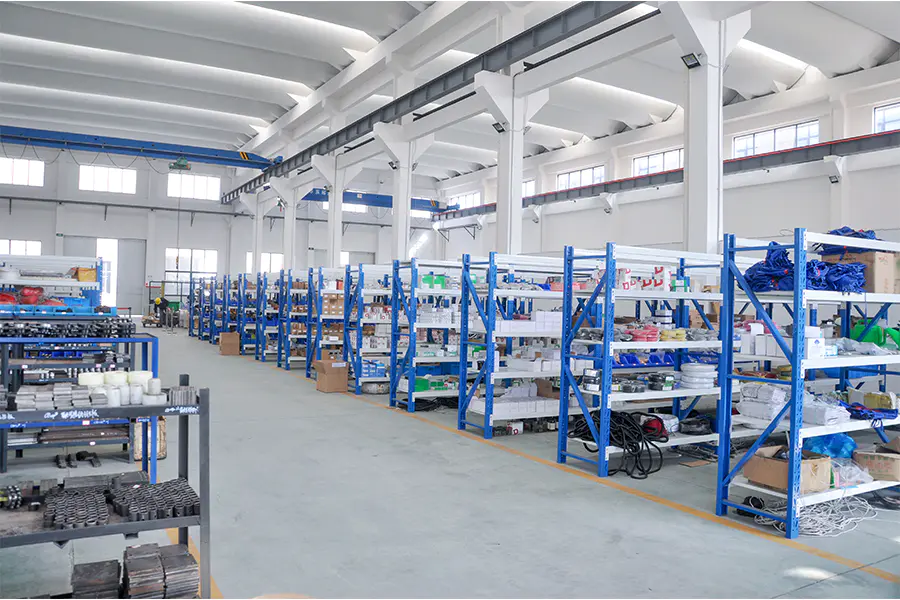
This is the criterion that decides the head-to-head over a decade rather than a quarter. Automatic machines are maintained with standardized parts, have a low failure rate and are easy to service, and the auto strapping device is designed for stable performance over long duty cycles. Behind the machine, the manufacturer runs 100% testing quality control on every unit, a full inspection before factory delivery, a 12-month official warranty, a 7×24h technical response hotline, spare-parts inventory, lifelong maintenance and free training, with 48-hour on-site support. For a site that cannot afford unplanned downtime, that support layer is as much a part of the specification as the compression force.
Step-by-Step Breakdown: A Six-Step Decision Sequence
- Classify the stream. Single material or mixed? Waste paper, carton and corrugated factory waste behave differently from plastic bottles, rubber and plastic waste, fibre, aluminium foil or scrap metal. Where the duty is unusual, treat it as a customized hydraulic baler machine requirement and ask for a configuration review rather than forcing a catalogue model.
- Convert daily volume into bales per hour. Divide the daily bale requirement by the hours the baler actually runs. Compare the result with the 16–22 bales per hour automatic benchmark. If your requirement sits well below that band and the stream is single-material, Option A stays viable.
- Cost the labour gap. Apply the reported 90% labour reduction to your own wage and shift structure. This single calculation usually explains most of the difference between the two paths.
- Cost energy and freight. Model the variable-frequency option at roughly 30% lower energy consumption than fixed-frequency operation, then add the freight effect of a denser bale on your actual haul distance.
- Fix the compliance envelope. Identify the destination market, then require certificate numbers and standard references in writing — for example CE certificate TTC-22-1609/01/01 against EN ISO 12100:2010 and EN 60204-1:2018. Confirm the safety interlock, emergency stop, PLC overload auto-cutoff and feed-inlet enclosure are on the specification.
- Verify supply and commercial terms. Confirm production capacity (100 units per month), typical lead time (60 days), minimum order quantity (1 unit), delivery terms (FOB Shanghai), payment terms (50/50), acceptance criteria (pre-shipment test) and post-delivery support (12-month warranty, 7×24h response, 48-hour on-site support, lifelong maintenance, free training).
Use Cases: Which Configuration Fits Which Operation
- Medium-to-large recycling plants with mixed inbound streams. Option B. Automatic detection and three-side convergent compression cope with changing material without re-setting the operator routine.
- Paper mills, carton and corrugated factories, waste paper and OCC handling. Option B where volume is continuous; the 16–22 bales per hour band matches a multi-shift packing or sorting line, and denser bales reduce outbound freight.
- Plastic and rubber processing — hydraulic baler machines for rubber and plastic waste, plastic bottle lines, film and washing residues. Option B where streams vary; verify bale format against your downstream buyer's acceptance rules.
- Textile, fibre and aluminium foil converters. Light, springy materials reward consistent compression and steady cycle timing more than raw force, which is where automatic sequencing helps most.
- Scrap yards and metal operations. Specification-led. The 150-ton JPW150BL-QT class is the reference point for heavy-duty requirements, and heavy-duty machines should be matched to the heaviest grade you will actually process.
- Small collection points, single-stream warehouses and low-volume retail back-of-house. Option A. A fixed-frequency, operator-fed machine with modest throughput is the proportionate answer, and it keeps capital available for other equipment.
- Custom or unusual duties — briquetting, bagging, semi-automatic horizontal or vertical formats. Treat these as engineering questions. Semi-automatic horizontal, fully automatic horizontal and vertical machines cover different footprints and labour models, and the right answer depends on the material and the available floor space.
Head-to-Head Comparison Table
| Decision criterion | Fixed-frequency, operator-fed | PLC fully automatic (Jewel) |
|---|---|---|
| Control architecture | Fixed-frequency hydraulic operation; operator sequences feeding and strapping | PLC and touch-screen control; automatic feeding, detection and strapping |
| Compression method | Depends on operator sequencing | Three-side convergent compression |
| Throughput | Not quantified in the available specification data | 16–22 bales per hour |
| Labour | Operator-dependent across the shift | Around 90% labour reduction; unmanned operation capability |
| Uptime | Not quantified in the available specification data | Downtime below 2% |
| Energy | Fixed-frequency baseline | Variable-frequency option reduces energy consumption by about 30% versus fixed-frequency traditional models; dual-motor design (starting + booster) |
| Bale and freight economics | Baseline density | Higher bale density, lower transport cost |
| Upfront cost | Lower | Slightly higher |
| Maintenance | Standard service regime | Standardized parts, low failure rate, easy maintenance; auto strapping device with stable performance |
| Safety and risk controls | Must be verified per model | Safety interlock and emergency stop; imported hydraulic seals against oil leakage; PLC overload auto-cutoff; protective enclosure on the feeding inlet |
| Compliance | Must be verified per model | CE certificate TTC-22-1609/01/01 on JPW20Q, conforming to EN ISO 12100:2010 and EN 60204-1:2018; CE and ISO quality certification |
| Reference specification | Model-dependent | JPW150BL-QT: 150-ton compression force, bale size 1,100 × 1,250 × 1,500 mm |
| Best fit | Small single-material waste points | Medium-to-large recycling plants, paper, plastic and textile factories, logistics warehouses |
FAQ
Do fully automatic hydraulic baler machines meet EU safety requirements?
They can, but the certificate must be checked against the exact model. Jewel's fully automatic horizontal baler JPW20Q holds CE certificate TTC-22-1609/01/01, issued in conformity with EN ISO 12100:2010 and EN 60204-1:2018, and the manufacturer also holds CE and ISO quality certification with 100% testing quality control and full inspection before factory delivery. Because CE certificates are issued per model and configuration, the certificate number should be matched to the machine on the order rather than to the brand.
What changes in daily operation when moving from a fixed-frequency machine to a PLC fully automatic machine?
Automatic feeding, automatic detection and automatic strapping replace manual sequencing, and three-side convergent compression keeps chamber loading consistent. Automatic models run at 16–22 bales per hour with around 90% less labour and downtime below 2%, and they carry unmanned operation capability. The practical result is that the baler can continue working through part of a shift without an operator stationed at the control panel, which is the single largest operational difference between the two paths.
Is the fully automatic option more expensive, and what offsets the price?
The automatic configuration carries a slightly higher upfront cost than a fixed-frequency machine. Three factors offset it: roughly 90% less labour against manual operation, about 30% lower energy consumption when the variable-frequency option is specified instead of fixed-frequency operation, and lower transport cost per tonne because a denser bale reduces the handled volume of every shipment. Commercial terms are straightforward — minimum order quantity of one unit, FOB Shanghai, and 50/50 payment terms.
How can a buyer validate a machine before a full fleet decision?
Validation is built into the delivery process. Every unit undergoes 100% testing quality control and a full inspection before it leaves the factory, and the acceptance criterion for the purchase is a pre-shipment test. Because the minimum order quantity is one unit, a buyer can order a single machine, run their own material through it, and confirm throughput and bale quality before committing to a wider roll-out. The material specified at order stage matters, because throughput depends on the stream the machine is configured for.
What is the typical lead time, and what support continues after delivery?
Monthly production capacity is 100 units and typical lead time is 60 days. After delivery, the manufacturer provides a 12-month official warranty, a 7×24h technical response line with 48-hour on-site support, lifelong maintenance and free training, backed by a spare-parts inventory and standardized, easily maintained components. Buyers who want the full specification set before deciding can download the Jewel product brochure, or send material details, volume and destination market for a configuration review.
Next step: match the configuration to your stream
Send your material type, daily volume and destination market to Nina at Nantong Jiabao Machinery Co., Ltd. and receive a configuration recommendation, specification sheet and quotation. Minimum order quantity is one unit, delivery is FOB Shanghai, and acceptance is confirmed by pre-shipment test.
Email: jiabao@csj-baler.com | Tel / WhatsApp: +86 187-2181-4932
Website: www.jewelbaler.com | Blog: blog.jewelbaler.com
Address: No.1 Xinyuan East 1st Road, Rugao City, Jiangsu Province, China
Conclusion
The head-to-head between fixed-frequency and PLC fully automatic hydraulic baler machines resolves differently for different sites, and the deciding evidence is operational rather than visual. A fixed-frequency, operator-fed machine keeps capital outlay low and remains the proportionate answer for small, single-material waste points. A PLC fully automatic machine costs more at the point of purchase and returns that difference through 16–22 bales per hour, around 90% less labour, downtime below 2%, roughly 30% lower energy consumption with the variable-frequency option, and lower freight cost per tonne from denser bales.
Where the two paths are closest is where the choice is often made on price alone: mid-volume sites with a mixed but manageable stream. There, the deciding factors are the support layer behind the machine — 100% testing quality control, full pre-delivery inspection, a 12-month warranty, 7×24h technical response with 48-hour on-site support, lifelong maintenance and free training — and the commercial reality of a 60-day lead time against a 100-unit monthly capacity. Compare those on paper, with certificate numbers and bale formats in the specification, and the decision stops being a preference.
Have Questions or Need More Details?
Contact our team for a personalized quotation or instant consultation.
Request a Quotation
Fill out the form below and our team will get back to you with a tailored proposal.
WhatsApp Direct Chat
Prefer to chat in real-time? Message us on WhatsApp for instant assistance & quick answers.
- Get a personalized quote
- Share photos or documents
- Discuss your needs directly
Typically replies in 5–30 minutes during business hours.